
Inclusion and accessibility are fundamental principles when designing buildings and public spaces, ensuring they are usable by everyone. This article explores their significance in creating inclusive architecture.
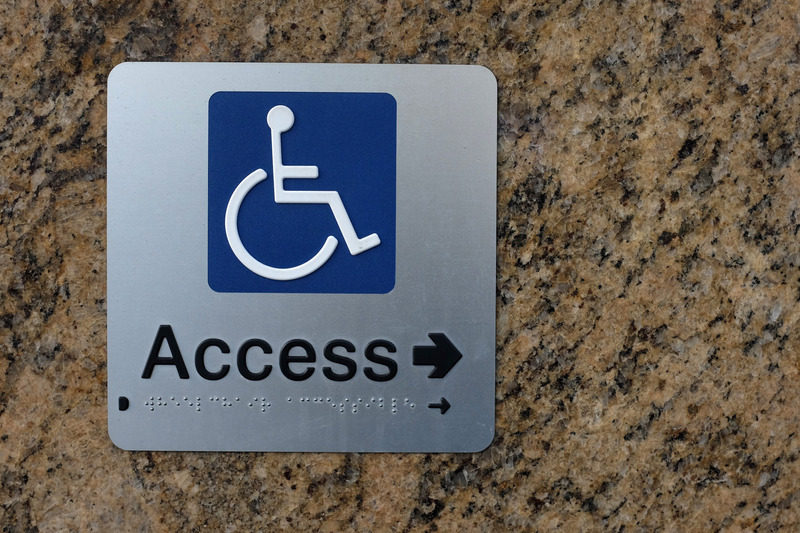
Accessibility in social contexts involves enabling easy access and participation for all individuals, regardless of their specific needs. This encompasses mobility, communication, and access to information and services.
In building and public space design, accessibility means adapting these environments for easy use by people of all ages and abilities. This includes installing ramps and lifts for those with mobility challenges, designing accessible restrooms, and positioning switches and outlets at reachable heights for wheelchair users. Addressing communication needs also matters, such as installing emergency alert systems and using large, clear signage.
Broadly, accessibility extends to adapting services and programs so they are equally accessible to everyone. This may involve providing materials in accessible formats for visually impaired individuals or using sign language interpreters for those who are deaf or hard of hearing.
Accessibility design focuses on adapting buildings, public spaces, and products to ensure they are accessible and usable for all. This includes all aspects mentioned earlier, essential for fostering inclusive participation in society.
Several assistive technologies play a crucial role in enhancing the accessibility of buildings and public spaces:
Contributing to inclusive spaces involves understanding the needs of people with disabilities through engagement with disability organisations and individuals. Actively participating in the planning and design phases of public spaces is crucial to ensuring their accessibility. Promoting awareness and advocating for policy changes further enhances inclusion.
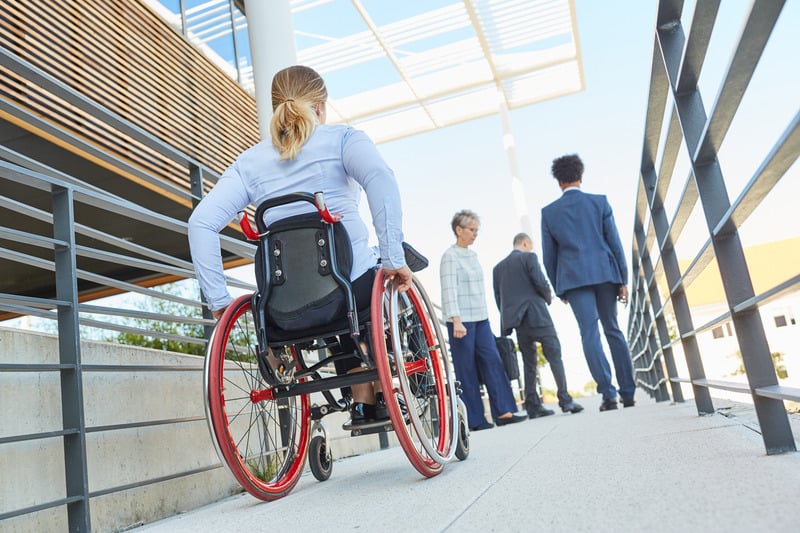
In conclusion, accessibility is pivotal for the active inclusion of all individuals in society. By prioritising inclusive design in buildings, public spaces, and services, we can collectively contribute to creating accessible environments that benefit everyone. Building inclusive spaces requires collaborative efforts, ensuring that accessibility becomes a shared priority across communities and organisations.
Effective plan management is key for NDIS participants to optimise their support services and improve quality of life. This approach provides flexibility in fund usage, allowing for better control. Participants can manage plans on their own or with the help of a plan manager. As plan managers, we, at Life Balance NDIS Plan Management, offer professional support, easing financial and administrative tasks, assisting with budgeting and planning, and ensuring smooth transactions with service providers to the Greater Geelong and Lara, Victoria community. Our focus on transparency and expertise empowers individuals with disabilities to live balanced lives through efficient plan management.
We specialise in empowering individuals with disabilities to achieve greater independence and community integration. Our services include crafting impactful programs that promote active living and benefit both individuals and the broader community. As plan managers, we also offer comprehensive plan management support, guiding you and your family in effective planning and connecting you with essential resources for a balanced and fulfilling life.
Website: https://lifebalancendisplanmanagement.com.au/
Phone: +61 1800 998 994
Email: Admin@lifebalancepm.com.au
Business Address: 1-6 Magpie Close, Lara, Victoria, 3212
P.O. Box 395, Lara, Geelong, Victoria, Australia
Thank you for completing the Service Agreement form. We’ve received your response and will review the details shortly. Our team will contact you if any additional information is needed.